Robotic Cleaning Automation
Forged Path Automation delivers robotic automation solutions and precision manufacturing services to critical sectors where gas turbine performance drives operations. Our expertise spans the complete turbine ecosystem from aerospace to power generation.
What Is Robotic Cleaning Automation?
Robotic cleaning automation replaces inconsistent manual cleaning tasks with programmable robotic cells that perform the same process the same way on every part. For manufacturers, this means faster cycle times, consistent output quality, reduced labor dependency, and a production process that scales without adding headcount or accepting more variation.
Manual cleaning is one of the hardest operations to staff consistently and one of the easiest to introduce defects into. When operators clean parts by hand, variation builds with every technician and compounds with every shift. At Forged Path Automation, we design, build, program, and support complete robotic cleaning automation systems that eliminate this variation for good. We own every phase — from initial system design and custom tooling through installation, operator training, and defined ongoing support. One partner, total accountability, and process precision on every run.
What Robotic Cleaning Automation Delivers for Your Operation
- Consistent cleaning results across every part, every cycle, and every shift — with zero variation built in from operator differences or fatigue
- Faster throughput on repetitive cleaning tasks that slow production and tie up skilled labor on low-value work between upstream and downstream processes
- Measurable reduction in defects, rework, and scrap driven by inadequate or inconsistent part cleaning before coating, inspection, and reassembly
- Flexible cell designs built to handle high-mix production across multiple part types, cleaning paths, dwell times, and coverage requirements
- Direct access to the engineers who designed and built your system — not a corporate support queue or third-party service contractor
- Transparent, all-inclusive pricing with predictable deployment timelines and no hidden change orders from project kickoff through commissioning
What Does Robotic Cleaning Automation Do?
A robotic cleaning cell uses a six-axis robot arm to follow a precisely programmed path — covering each part with consistent dwell time, pressure, and coverage on every cycle. Unlike manual cleaning, the cell never skips a step. It never varies with operator fatigue or shift changes. FPA builds these robotic cleaning automation systems using Roboticom’s ARPP path-planning software — learn more on our technology partnerships page. As a result, your cleaning process becomes engineered, documented, and fully repeatable.
Can One Robotic Cleaning Cell Handle Multiple Part Types?
Yes. FPA designs robotic cleaning cells to handle multiple part geometries, cleaning sequences, and coverage requirements within the same system — depending on your process needs. Using Roboticom’s ARPP software, programs switch between part setups quickly and without significant downtime. High-mix operations get consistent results across a diverse part mix without needing separate cells for each product.
Why Robotic Cleaning Automation Is Non-Negotiable for Manufacturers
Manual cleaning processes are difficult to scale and nearly impossible to keep consistent across shifts. When one experienced technician leaves, quality can drop immediately. Parts with inadequate or inconsistent cleaning create defects downstream — in coating adhesion, inspection accuracy, and reassembly quality. Those defects cost far more to fix than to prevent.
A robotic cleaning cell removes that risk entirely. It delivers the same path, the same dwell time, and the same coverage on part five thousand as it did on part one — without overtime, turnover, or retraining costs. Because every cleaning cycle is programmed and documented, quality records are consistent and traceable across every production run. Robotic cleaning automation gives manufacturers the process control that manual methods simply cannot sustain.
What Makes FPA’s Robotic Cleaning Approach Different From Standard Integrators?
Most automation providers separate design, programming, training, and support between different teams. FPA keeps one integrated team involved from concept through long-term support — so nothing falls through the gaps. As an official Roboticom distributor and one of very few in the United States, FPA brings technology access and path-planning capability that standard integrators cannot offer.
How Robotic Cleaning Automation Works at Forged Path Automation
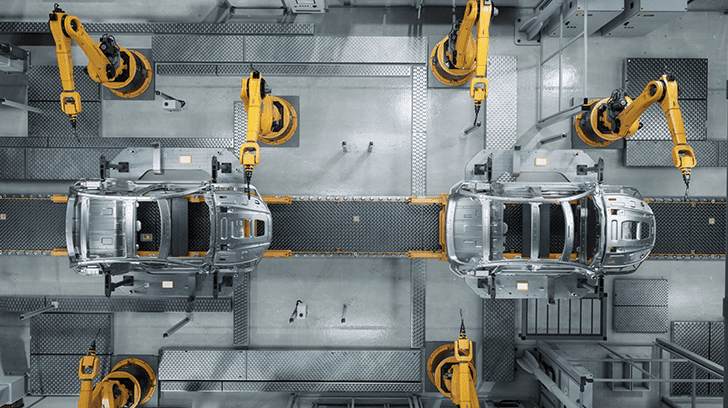
The process starts with a consultation — FPA reviews your cleaning requirements, part geometries, surface conditions, and production volumes to design the right cell. We then build custom tooling and fixturing and program all robotic cleaning paths using ARPP software. Installation follows, along with direct operator training at your facility. We stay accessible for ongoing support and troubleshooting long after the system goes live.
ARPP Programming and Simulation. FPA programs every robotic cleaning automation cell using Roboticom’s ARPP automated path-planning software — developing and testing all cleaning paths offline before the system runs on your floor. Cycle time optimization and process refinement for high-mix production environments are built into every programming phase. Your system deploys faster and performs consistently from day one.
Operator Training and Documentation. FPA trains your operators, engineers, and maintenance teams directly on your cleaning system — in your facility, on your actual cell, before sign-off. Every project includes clear documentation and standard operating procedures written specifically for your configuration. Your team is confident and self-sufficient from day one.
Ongoing Support and Troubleshooting. After commissioning, the same engineers who built your cleaning system stay directly available for remote and on-site troubleshooting. We provide process updates and ongoing training as your part mix or cleaning requirements evolve. Your system performs at its designed level long after initial deployment.
How Long Does Deployment Take?
FPA deploys existing Roboticom systems in approximately six months. Custom robotic cleaning automation cells typically deploy within six to twelve months from project kickoff. Both timelines include system design, tooling, programming, installation, and operator training. Your team is production-ready from day one with full documentation and direct support in place.
Robotic Cleaning Automation Applications by Industry
FPA’s robotic cleaning cells serve manufacturers across automotive, aerospace, turbine, MRO, and general industrial sectors throughout the Southeast. In each case, the goal is the same: replace manual process variation with an engineered, repeatable cleaning system production can rely on.
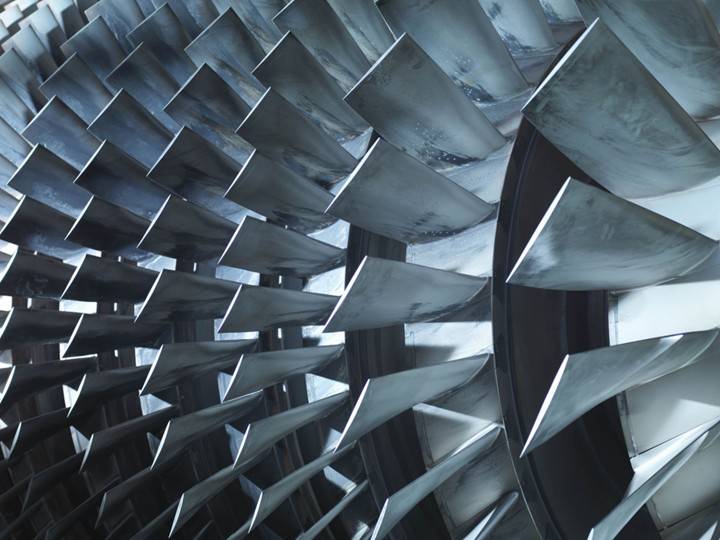
Aerospace and Turbine Component Cleaning. Aerospace and turbine components must be thoroughly and consistently cleaned before coating, inspection, or reassembly. FPA’s robotic cleaning cells deliver the same path, dwell time, and coverage on every part. Your quality team can be confident no step was missed on any part that moves downstream.
Carbon Fiber Finishing. Carbon fiber components require precise, controlled finishing that manual methods cannot deliver consistently. FPA’s robotic cells handle carbon fiber surface preparation and finishing with programmed path control — protecting material integrity while delivering repeatable results across every part. Manufacturers working with carbon fiber get the consistency and edge quality these high-value components demand.
Automotive Finishing and Industrial Manufacturing. Automotive Class A panel stamping rework, mold and die polishing, and production finishing all demand repeatable surface results that manual labor cannot sustain at volume. FPA’s robotic finishing cells deliver consistent path control, pressure, and media application across every cycle — with a wide range of media available to match your specific surface and material requirements. These applications also pair naturally with FPA’s robotic finishing automation for complete part processing in a single workflow.
MRO and General Manufacturing Applications. MRO facilities and general manufacturers benefit from robotic cleaning cells that prepare parts for downstream processes consistently and at speed. These operations pair well with FPA’s process engineering and system design approach — ensuring the cleaning cell integrates cleanly into your broader production workflow from day one.
FPA’s Industrial Automation Solutions
FPA builds and supports the following turnkey robotic automation systems for manufacturers across aerospace, automotive, turbine, MRO, and general industrial sectors.
Robotic Finishing Automation
Programmable robotic cells for polishing, buffing, deburring, and sanding — delivering consistent surface quality across every part, every shift. Learn more about robotic finishing automation.
Robotic Cleaning Automation
Robotic cells for part cleaning, surface preparation, and pre-coating cleaning operations — eliminating the defects that inconsistent manual cleaning creates in downstream processes. Learn more about robotic cleaning automation.
Custom Robotic Tooling and Fixture Design
Purpose-built end-of-arm tooling and fixtures designed for your specific parts, validated in real production conditions, and supported long-term by the same engineers who built them. Learn more about robotic tooling and fixture design.
Process Engineering and System Design
Deep process engineering before any system is specified — feasibility analysis, cycle time optimization, and automation strategy built around your real production requirements from the start. Learn more about process engineering and system design.
Which Manufacturers Benefit Most?
Manufacturers who rely on manual cleaning and face quality inconsistencies, labor shortages, or throughput constraints are the strongest candidates for robotic cleaning automation. This includes automotive, aerospace, turbine, MRO, and general industrial operations — particularly those where inadequate or inconsistent cleaning before downstream coating, inspection, or reassembly creates costly defects, rework, or scrap.
Choosing the Right Partner
Most automation providers deliver equipment and leave. By contrast, FPA delivers a complete system and stays — the same engineers who design your cell install it, train your operators, and support it long-term. As an official Roboticom distributor and one of very few in the United States, we bring technology access that standard integrators cannot offer.
If you are also evaluating robotic welding automation or robotic thermal process automation, FPA handles both from the same team and the same accountability model. Our Southeast location and founder-led structure mean you always have direct access to decision-makers — not a call center — throughout every phase of your project.
Frequently Asked Questions About
Robotic Cleaning Automation
FPA’s robotic cleaning cells handle path-based cleaning, surface preparation, part washing, and pre-coating cleaning operations across a wide range of part types and materials. Each cell is designed around your specific process — not a standard template. The system fits your production floor without requiring you to change how parts move through your operation.
Robotic cleaning automation delivers the same cleaning path, coverage, and dwell time on every part — eliminating the variation that causes defects in downstream coating, inspection, and reassembly processes. Because the process is programmed rather than operator-dependent, quality records are consistent and traceable across every production run.
ROI on robotic cleaning automation comes from reduced defect rates, lower rework costs, faster throughput, and reduced labor dependency on repetitive cleaning tasks. FPA provides transparent, all-inclusive pricing so you can review total cost of ownership before any commitment. There are no hidden costs or change-order surprises after the project starts.
Yes. FPA’s robotic cleaning cells handle multiple part types, cleaning paths, and coverage requirements within the same system. Using Roboticom’s ARPP software, programs switch between setups quickly without significant downtime. High-mix operations get consistent results across a diverse part mix without needing separate cells for each product type.
FPA is founder-led, Southeast-based, and one of a small number of official Roboticom distributors in the United States. Unlike large corporate integrators, our team owns every phase — from system design through long-term support. The same people available before the sale remain available during installation and after commissioning. There are no handoffs, no surprises, and no disappearing act after go-live.
Partner with FPA for Turnkey Robotic Cleaning Automation
Forged Path Automation is the Southeast’s most accessible, full-lifecycle robotic cleaning automation partner — built for manufacturers who need consistent process output and a support team that stays long after the cell goes live. Contact our team today to discuss your application or visit our working demo job shop in Landrum, South Carolina.