Robotic Finishing Automation
Forged Path Automation delivers robotic automation solutions and precision manufacturing services to critical sectors where gas turbine performance drives operations. Our expertise spans the complete turbine ecosystem from aerospace to power generation.
What Is Robotic Finishing Automation?
Robotic finishing automation replaces manual polishing, buffing, deburring, and sanding with programmable robotic cells. These systems perform the same process the same way — every single time. For manufacturers, the result is consistent surface quality, lower scrap rates, reduced rework, and reliable scalability without adding headcount.
Manual finishing creates variability on every manufacturing floor. When teams hand-polish turbine blades or buff castings manually, quality suffers. As a result, scrap builds, rework climbs, and skilled labor grows harder to replace. At Forged Path Automation, we design, build, program, and support complete robotic finishing automation systems that permanently eliminate this variability. We own every phase — from initial design and custom tooling through installation, operator training, and defined ongoing support. Unlike corporate integrators, our founder-led team stays accessible long after commissioning. Our commitment rests on one clear principle: one partner, total accountability, and precision manufacturing on every run.
What Robotic Finishing Automation Delivers for Your Operation
- Consistent polish, buff, and deburring results across every part, every cycle, and every shift — with zero operator variability built into the outcome
- Measurable reduction in scrap, rework, and finishing media consumption without adding headcount to your floor
- Faster throughput on complex surface profiles that slow even the most experienced manual finishing operators
- Flexible cell configurations built to handle high-mix production across multiple part geometries and material types
- Direct access to the engineers who designed and built your system — not a corporate support line or third-party service contractor
- Transparent, all-inclusive pricing with predictable deployment timelines and no hidden change orders at any stage
What Does Robotic Finishing Automation Do?
A six-axis robot arm moves through a programmed path, applying consistent force and speed across every part surface. Unlike manual processes, the cell performs the same operation on cycle ten thousand as on cycle one. FPA builds these systems using Roboticom's ARPP automated path-planning software — learn more on our technology partnerships page. As a result, your finishing process becomes engineered, documented, and repeatable — not dependent on who shows up for the shift.
Can a Robotic Finishing Cell Handle High-Mix Production?
Yes. Unlike traditional fixed automation built for single-task, high-volume runs, FPA's robotic finishing cells handle high-mix manufacturing directly. Roboticom's ARPP path-planning software adapts to multiple part geometries without lengthy reprogramming between runs. You get consistent finishing quality across diverse parts without sacrificing production speed.
Why Robotic Finishing Automation Is Non-Negotiable for Manufacturers
Skilled finishing operators are harder to find, harder to retain, and more expensive every year. When one leaves, the institutional knowledge of pressure, angle, and technique leaves with them. According to the Association for Advancing Automation, demand for robotic automation continues to accelerate precisely because skilled labor availability in finishing and material removal is declining across manufacturing sectors. Moreover, a robotic finishing cell never fatigues mid-shift and produces the same result on Friday as it did Monday. For manufacturers competing on quality and throughput, that consistency is a requirement — not a luxury.
How Robotic Finishing Automation Works
The process starts with a consultation — FPA evaluates your parts, materials, tolerances, and volumes to design the right cell. We then build custom tooling and fixturing and program robotic paths using ARPP software. Installation follows, along with direct operator training at your facility. Additionally, we remain accessible for ongoing support and troubleshooting long after the system goes live.
ARPP Programming and Simulation for Your Finishing Cell
FPA programs every robotic finishing cell using Roboticom's ARPP automated path-planning software — developing and testing all finishing paths offline before the system runs on your floor. Cycle time optimization and process refinement for high-mix finishing applications are built into every programming phase. Your system deploys faster and performs accurately from day one.
Operator Training and Documentation
FPA trains your operators, engineers, and maintenance teams directly on your system — in your facility, on your actual cell, before sign-off. Every project includes clear documentation and standard operating procedures written specifically for your configuration. Your team is confident and self-sufficient from day one.
Ongoing Support and Troubleshooting
After commissioning, the same engineers who built your system stay directly available for remote and on-site troubleshooting. We provide process updates and ongoing training as your production needs evolve. Your system performs at its designed level long after initial deployment.
Why FPA's Approach Is Different
Most automation providers separate design, programming, training, and support between different teams. By contrast, FPA keeps one integrated team involved from concept through long-term support — so nothing falls through the gaps. Every robotic finishing automation project begins with deep process engineering and system design — so your cell is built around your actual production requirements, not adapted to fit after the fact. Additionally, transparent pricing means no separate invoices or scope surprises after kickoff.
How Long Does It Take to Deploy a Robotic Finishing Cell?
FPA delivers existing Roboticom systems in approximately six months. Custom robotic finishing cells, however, typically deploy within six to twelve months from project kickoff. Both timelines include design, tooling, programming, installation, and operator training. Your team is production-ready from day one.
Robotic Finishing Automation Applications by Industry
FPA's robotic finishing cells serve manufacturers across automotive, aerospace, MRO, and turbine sectors. In each case, the goal is the same: replace manual finishing variability with an engineered, repeatable process.
Aerospace and Turbine Components
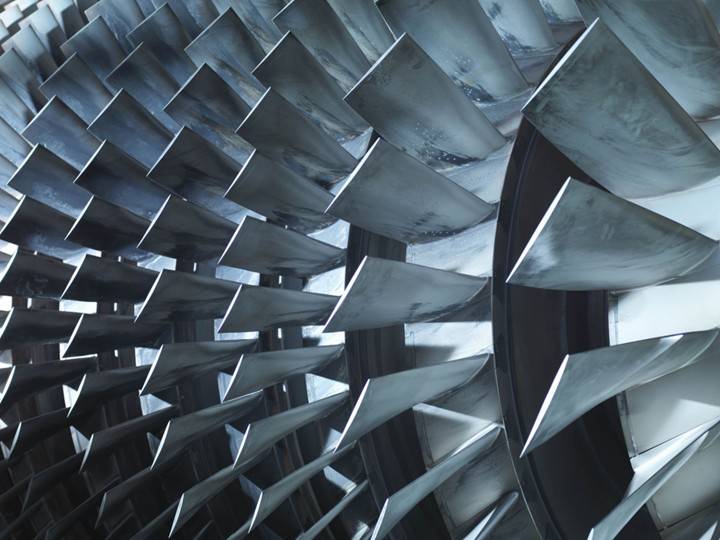
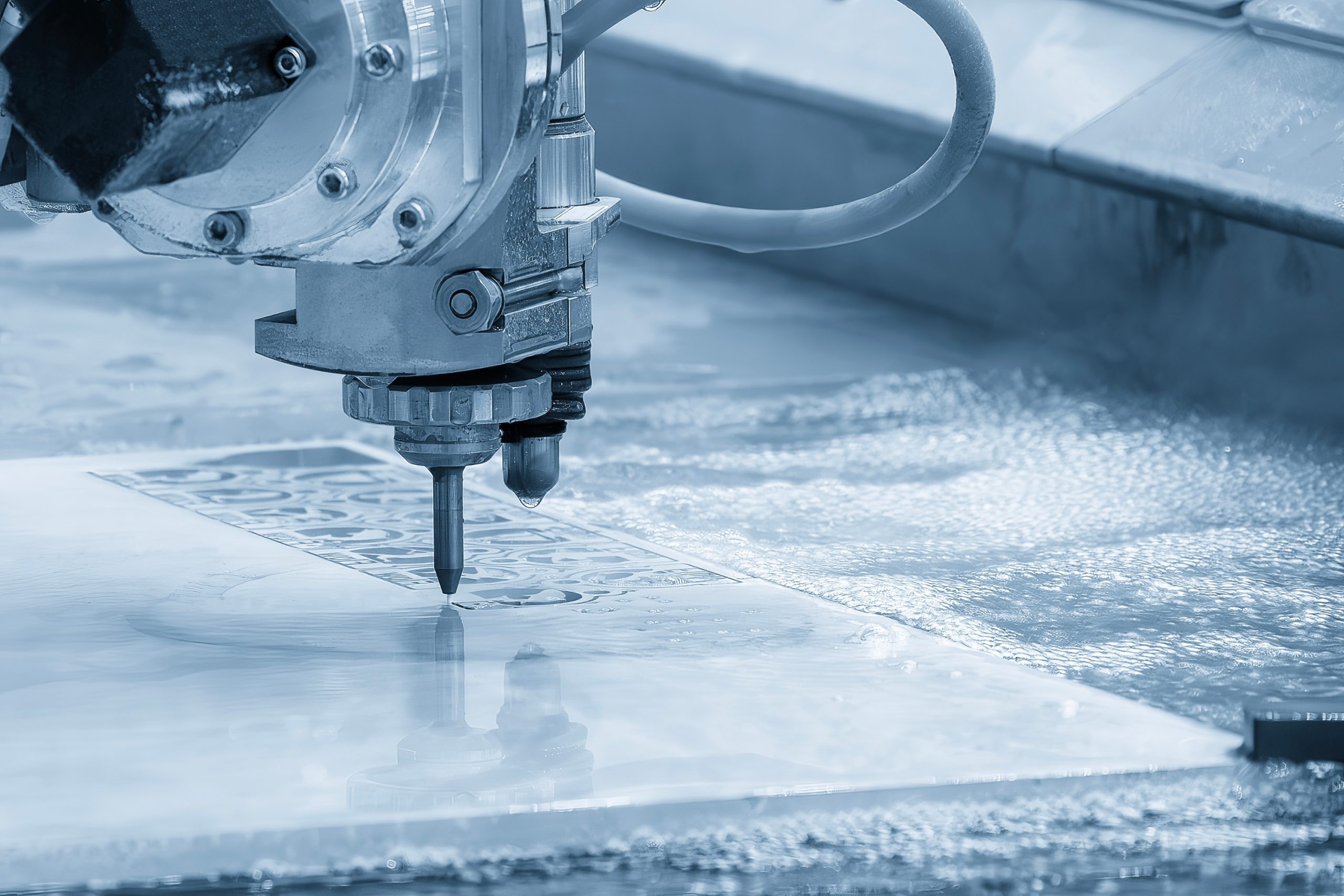
Turbine blades and aerospace structural parts demand tight surface tolerances on every single component. FPA builds cells for profiling, polishing, and re-profiling these high-value parts. Robotic waterjet stripping is available for coating removal in MRO environments.
Automotive and Industrial Parts
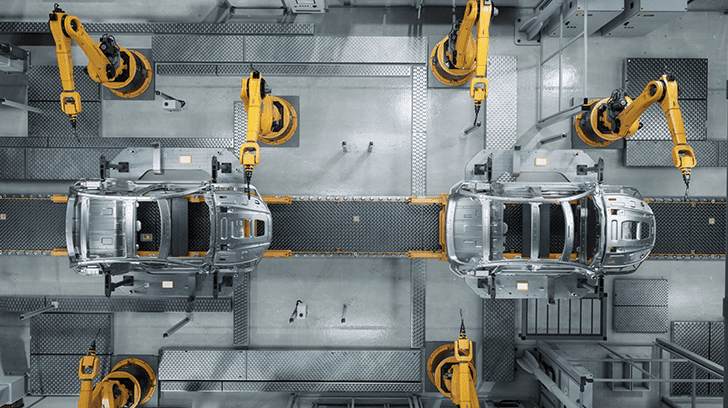
Automotive castings, housings, and structural components require consistent surface prep at fast cycle times. FPA's robotic finishing cells deliver buffing, deburring, and sanding at speeds no manual operator can sustain across a full shift. Output quality stays consistent from the first part to the last.
MRO and Casting Applications
MRO facilities and casting houses benefit from automated deburring, grinding, and surface conditioning on complex geometries. These operations pair naturally with FPA's robotic cleaning automation for complete part processing in a single workflow.
FPA’s Industrial Automation Solutions
FPA builds and supports the following turnkey robotic automation systems for manufacturers across aerospace, automotive, turbine, MRO, and general industrial sectors.
Robotic Finishing Automation
Programmable robotic cells for polishing, buffing, deburring, and sanding — delivering consistent surface quality across every part, every shift. Learn more about robotic finishing automation.
Robotic Cleaning Automation
Robotic cells for part cleaning, surface preparation, and pre-coating cleaning operations — eliminating the defects that inconsistent manual cleaning creates in downstream processes. Learn more about robotic cleaning automation.
Custom Robotic Tooling and Fixture Design
Purpose-built end-of-arm tooling and fixtures designed for your specific parts, validated in real production conditions, and supported long-term by the same engineers who built them. Learn more about robotic tooling and fixture design.
Process Engineering and System Design
Deep process engineering before any system is specified — feasibility analysis, cycle time optimization, and automation strategy built around your real production requirements from the start. Learn more about process engineering and system design.
What Types of Manufacturers Does FPA Serve?
Manufacturers who struggle with manual polishing, deburring, or sanding — and face labor shortages or quality challenges — are strong candidates. This includes automotive, aerospace, turbine, MRO, and casting manufacturers. Both high-volume and high-mix manufacturing operations benefit directly from FPA's process-first approach to robotic finishing automation.
Choosing the Right Robotic Finishing Automation Partner
Most automation providers deliver equipment and disappear. FPA delivers a complete system and stays. The same engineers who design your cell also install it and support it long-term. As an official Roboticom distributor, we provide technology access that standard integrators cannot match. If you are also evaluating robotic welding automation or robotic thermal process automation, FPA handles both from the same team.
Frequently Asked Questions About
Robotic Finishing Automation
FPA's turnkey robotic finishing cell includes system design, custom tooling, ARPP programming, installation, and operator training. Furthermore, FPA includes defined ongoing support from day one — never as an afterthought. One team delivers everything, with no third-party handoffs and no surprises at any stage.
Robotic finishing automation reduces labor costs by replacing inconsistent manual tasks with a programmable cell that runs at consistent output. Manufacturers eliminate overtime, reduce rework labor, and lower training costs significantly. The system carries the process — not individual operators.
ROI on robotic finishing automation typically comes from three sources: reduced labor costs, lower scrap rates, and increased throughput. FPA provides transparent, all-inclusive pricing so you can calculate total cost of ownership upfront. There are no hidden costs or change-order surprises after project kickoff.
Yes. FPA's robotic finishing cells handle multiple part geometries, materials, and surface specifications within the same cell. Using Roboticom's ARPP software, programs switch between part types quickly without significant downtime. High-mix operations get consistent finishing quality without sacrificing throughput or requiring separate dedicated cells.
FPA is founder-led, Southeast-based, and one of a small number of official Roboticom distributors in the United States. Unlike corporate integrators, our team owns every project phase — from design through long-term support. The same people available before the sale remain available during installation and after commissioning. There are no handoffs and no surprises.
Partner with FPA for Turnkey Robotic Finishing Automation
Forged Path Automation is the Southeast's most accessible, full-lifecycle robotic finishing automation partner — built for manufacturers who need more than a machine delivered and a door closed behind it. Contact our team today to discuss your application or visit our working demo job shop in Landrum, South Carolina.