
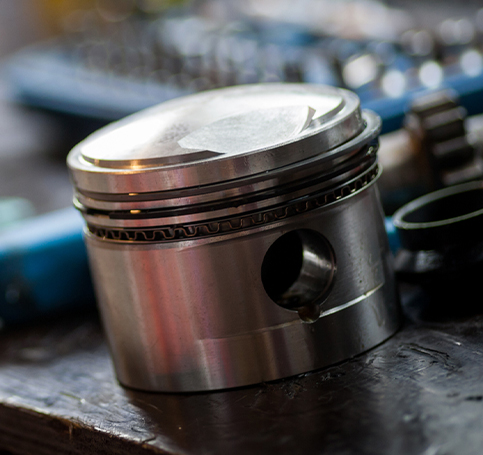

Tin (ASTM: B 545)
Precision Tin Plating for Industrial Applications
Is your manufacturing operation experiencing solderability issues, premature corrosion, or electrical contact problems? Many businesses face reliability challenges with components lacking the optimal surface properties that properly applied tin plating provides.
At Nobert Plating, we deliver precision tin plating services for businesses requiring exceptional solderability, corrosion resistance, and electrical performance. From electronic connectors to food processing equipment, our tin plating solutions provide outstanding performance across diverse industrial applications.

The Technical Advantages of Professional Tin Plating
Basic plating methods often fail to achieve the precise deposit characteristics required for high-performance components. Your products need a plating partner with specialized expertise in tin deposition technology.
Our tin plating services address several important manufacturing needs:
- Outstanding solderability for electronic assembly processes
- Food-safe coating for culinary and processing equipment
- Corrosion protection for diverse environments
- Low contact resistance for electrical applications
- Non-toxic alternative to cadmium and lead coatings
- Compatibility with RoHS and other regulatory requirements
With extensive tin plating expertise, our technical team balances performance requirements with cost-effectiveness to deliver plated components that excel in your most demanding applications.
Tin Plating Process Capabilities

Bright Tin
Highly reflective finish with excellent solderability and appearance characteristics.

Matte Tin
Non-reflective finish preferred for certain electronic and optical applications.

Whisker Mitigation
Advanced process controls and post-treatments help reduce tin whisker formation risks.

Thickness Precision
Exacting process management maintains consistent deposit thickness to meet your specifications.

Alloy Options
Pure tin or tin alloys available depending on your performance requirements

Regulatory Compliance
All processes meet RoHS, REACH, and FDA requirements where applicable.
Contact Us
Ready to improve your product performance with precision tin plating? We can provide high-quality tin finishes that meet your exact specifications, improve product functionality, and deliver consistent results.
Industrial Applications for Tin Plating
Our tin plating services provide solutions across numerous industries:

Electronics Manufacturing
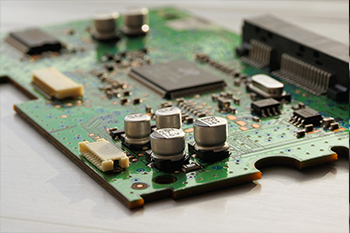
Tin plating provides excellent solderability for connectors, terminals, PCB components, and hardware.
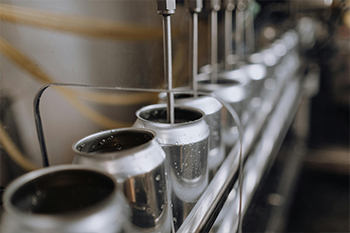
Food Processing Equipment
FDA-compliant tin plating offers safe, non-toxic surfaces for food contact applications.
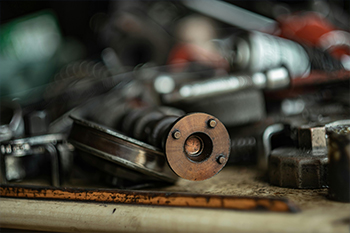
Automotive Components
Corrosion resistance and electrical performance for sensors, connectors, and electronic modules.

Electrical Distribution Infrastructure
Tin-plated bus bars and connectors provide reliable electrical contact properties.

Telecommunications Hardware
Long-term connection reliability for network infrastructure components.

Consumer Goods
Attractive, lead-free finish for hardware and decorative applications.
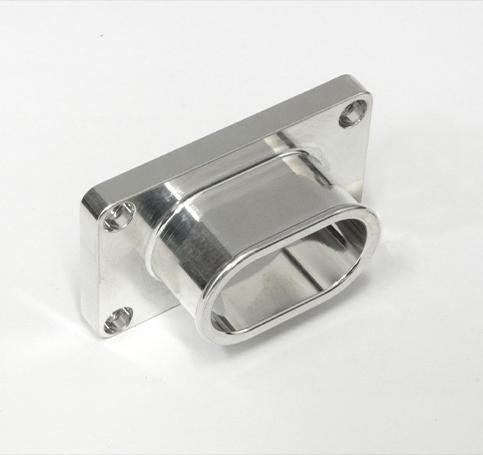
For electrical distribution applications requiring optimized conductivity and performance, our bus bar plating services offer specialized solutions for both copper and aluminum substrates.
Why Choose Nobert Plating for Tin Plating
With decades of tin plating expertise, we understand the important performance requirements for tin-plated components across diverse industries. Our team delivers solutions that meet exact specifications and maintains consistent quality batch after batch.
What distinguishes us from standard plating providers:
- Process expertise with both decorative and functional applications
- Rigorous quality testing and verification procedures
- Comprehensive documentation and traceability
- Technical consultation to optimize specifications
- Responsive customer service and reliable delivery
- Problem-solving capability for challenging applications
- Competitive pricing without compromising quality

Frequently Asked Questions About Tin Plating
Most common metals can accept tin plating, including copper, brass, steel, and nickel alloys. Material compatibility assessment is part of our quality process.
Standard applications range from 0.0001" to 0.001", with capability for custom thicknesses based on specific requirements.
We employ specialized process controls, co-deposits, and post-treatments to mitigate whisker formation risk. For applications with zero whisker tolerance, we recommend considering tin-lead alloy alternatives.
Yes, pure tin plating meets FDA requirements for food contact when properly applied. We maintain all necessary documentation for regulatory compliance.
Our tin plating processes conform to ASTM B545, AMS 2408, and other industry specifications depending on your specific requirements.
Under proper storage conditions, tin-plated components typically maintain excellent solderability for 6-12 months, depending on the specific formulation and environmental factors.
Yes, with proper surface preparation, we can apply tin plating to aluminum substrates, though the process is more complex than with other base metals.
Tin offers good corrosion protection in many environments, particularly for indoor applications. Performance varies based on environmental exposure and substrate material.
Bright tin provides a highly reflective appearance, and matte tin offers a non-reflective surface. Both provide similar functional properties with primarily aesthetic differences.
Yes, tin provides good electrical conductivity, though not as high as silver or copper. Its oxide layer remains conductive, making it excellent for electrical contacts.
